
If you’re preparing to sell your house in Glen Burnie, disclosures are often one of the most confusing parts of the process. Most homeowners aren’t worried about being dishonest — they’re worried about forgetting something, misunderstanding what’s required, or creating problems later by saying the wrong thing.
This page is designed to explain how real estate disclosures generally work, what sellers are commonly asked about, and how to approach the process without overcomplicating it.
Sell Your House paperwork can feel intimidating, but disclosures are really about clarity — sharing what you reasonably know so buyers can make informed decisions.
In real life, most sellers don’t sit down with a perfect memory of every repair, leak, or contractor visit. Disclosures usually become stressful when homeowners feel pressured to remember details from years ago, not because they’re trying to hide problems.
What sellers usually mean by “real estate disclosures”
In simple terms, real estate disclosures are written statements that explain what a seller knows about the condition or history of a property. They are not guarantees, predictions, or promises about future performance.
The purpose of disclosures is to reduce surprises. Buyers want to understand whether anything known today could affect their decision to move forward.
Why disclosures matter more than most sellers expect
Disclosures help set expectations early. When buyers feel informed, inspections and negotiations are often smoother. When buyers feel surprised later, even small issues can turn into major sticking points.
From a seller’s perspective, disclosures also create a paper trail that shows good-faith communication. That record can be valuable long after the sale is complete.
Common areas sellers are asked about
Disclosure forms vary, but sellers are commonly asked about known conditions related to the home, past repairs, or events that may affect the property. This is not about guessing — it’s about sharing information you already know.
Examples often include:
- Past water intrusion, leaks, or moisture problems
- Mold concerns or remediation
- Foundation movement or structural repairs
- Roof age, repairs, or known leaks
- Electrical or plumbing issues
- Pest or termite history
- Environmental concerns, where applicable
- Major renovations or permitted work
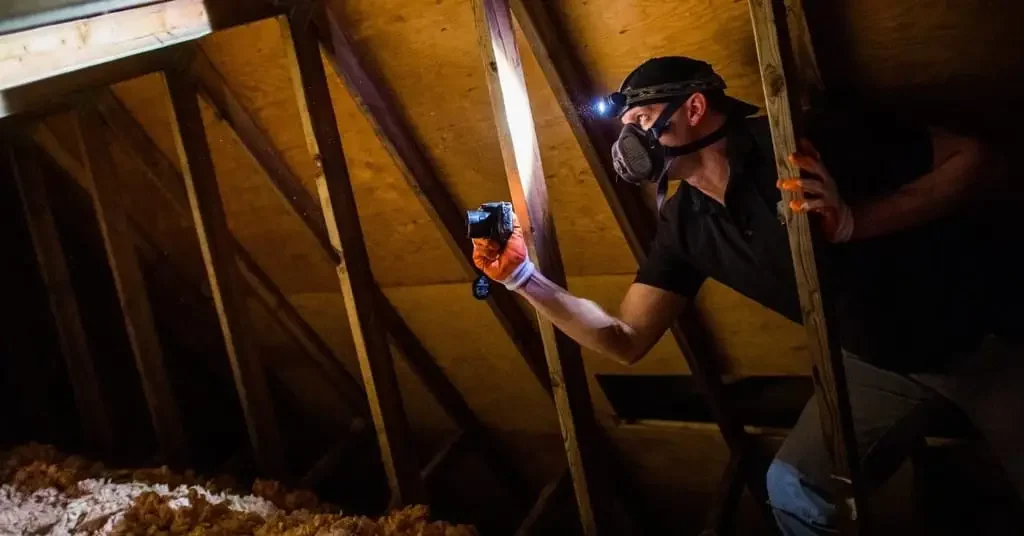
For example, a seller who replaced a roof many years ago may not remember the contractor’s name or warranty details. Another homeowner may recall past water intrusion without knowing the exact cause or repair date. These gray areas are common and don’t automatically mean something was done incorrectly.
What happens if something is missed?
Issues typically arise when a buyer believes a known problem was intentionally withheld. That’s when disagreements, delays, or legal discussions can begin — sometimes long after the sale was expected to be finished.
The safest approach is honesty without speculation. If you’re unsure whether something should be disclosed, professional guidance can help you avoid unnecessary stress later.
It also helps to remember that disclosures aren’t a judgment of the property or the seller. They’re simply part of how buyers evaluate risk, much like inspections or appraisals.
How disclosures work when a house needs repairs
Homes that need work are sold every day. Some sellers choose to make repairs before listing, while others sell as-is and adjust pricing expectations accordingly.
Selling as-is can reduce repair negotiations, but disclosures are still part of most transactions. The difference is that buyers understand the condition earlier, which often reduces last-minute surprises.
If you’re dealing with deferred maintenance, a tight timeline, or simply want a more predictable process, some homeowners choose to sell directly to a professional buyer like As Is Equity. This can reduce showings, repair requests, and extended negotiations.
If you want to explore that option, you can start here: Sell Your House. There’s no obligation — it’s simply a way to understand what a direct sale could look like.
Bottom line on real estate disclosures
Real estate disclosures don’t need to be overwhelming. The goal is straightforward: share what you reasonably know, document it clearly, and avoid surprises that could disrupt the sale.
If you’re selling in Glen Burnie and want help understanding your options — especially for a home that needs work — reach out to As Is Equity at (443) 363-0906. We’re happy to talk through your situation.